
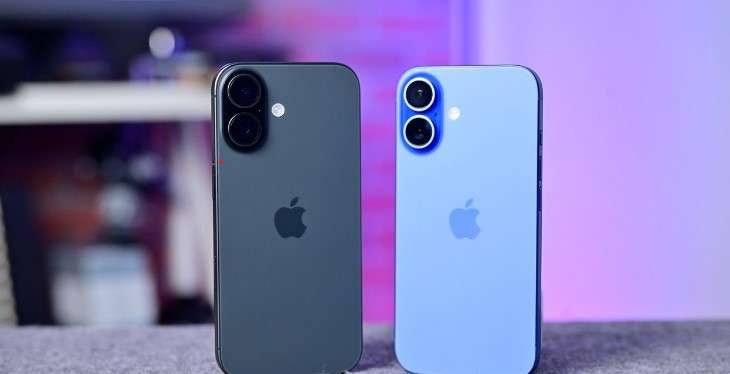
Choosing the right smartphone today is not just about features — it’s about value, longevity, and overall experience. With the release of the iPhone 17 series, many users are asking a key question: Should you upgrade from iPhone 16, or is it better to stay where you are?
At AppleHub, we break it down clearly to help you make the right decision.
Design & Build: Subtle but Refined
Apple continues its tradition of refinement rather than drastic change.
The iPhone 17 introduces:
- Slightly improved materials
- More refined edges and finish
- Enhanced durability
While the iPhone 16 still holds a premium feel, the newer model offers a more polished and modern look.
Verdict: Small upgrade, noticeable in hand feel.
Performance: Where It Starts to Matter
Performance is where the difference becomes more meaningful.
- iPhone 17 features a newer chipset
- Improved efficiency and battery optimization
- Better handling of multitasking and heavy apps
For everyday users, both devices perform smoothly. However, for long-term use and demanding tasks, iPhone 17 clearly takes the lead.
Verdict: Worth upgrading for performance-focused users.
Camera: Incremental but Valuable
Apple rarely makes drastic camera changes — instead, it improves consistency.
iPhone 17 offers:
- Better low-light performance
- Improved image processing
- More stable video output
If photography matters to you, these upgrades can make a difference over time.
Verdict: Upgrade if camera quality is a priority.
Battery & Efficiency
Battery life sees subtle improvements:
- Better power management
- Longer usage under similar conditions
While not revolutionary, it contributes to a more reliable daily experience.
Verdict: Slight edge to iPhone 17.
Should You Upgrade?
Upgrade if you:
- Want better performance for long-term use
- Care about camera improvements
- Prefer the latest design refinements
Skip if you:
- Already own iPhone 16
- Use your phone for basic daily tasks
- Don’t need cutting-edge performance
Final Thoughts
The iPhone 17 is not about dramatic change — it’s about refinement, efficiency, and future-proofing.
For new buyers, it’s the better choice.
For current users, it depends on how much you value incremental upgrades.